Guides · 7 min read ·
What boxing gloves should I buy?
Five decisions, in order: how you train, glove weight, closure, material and fit. Get those right and you will only buy one pair.
By the EIGHTY8 coaching team
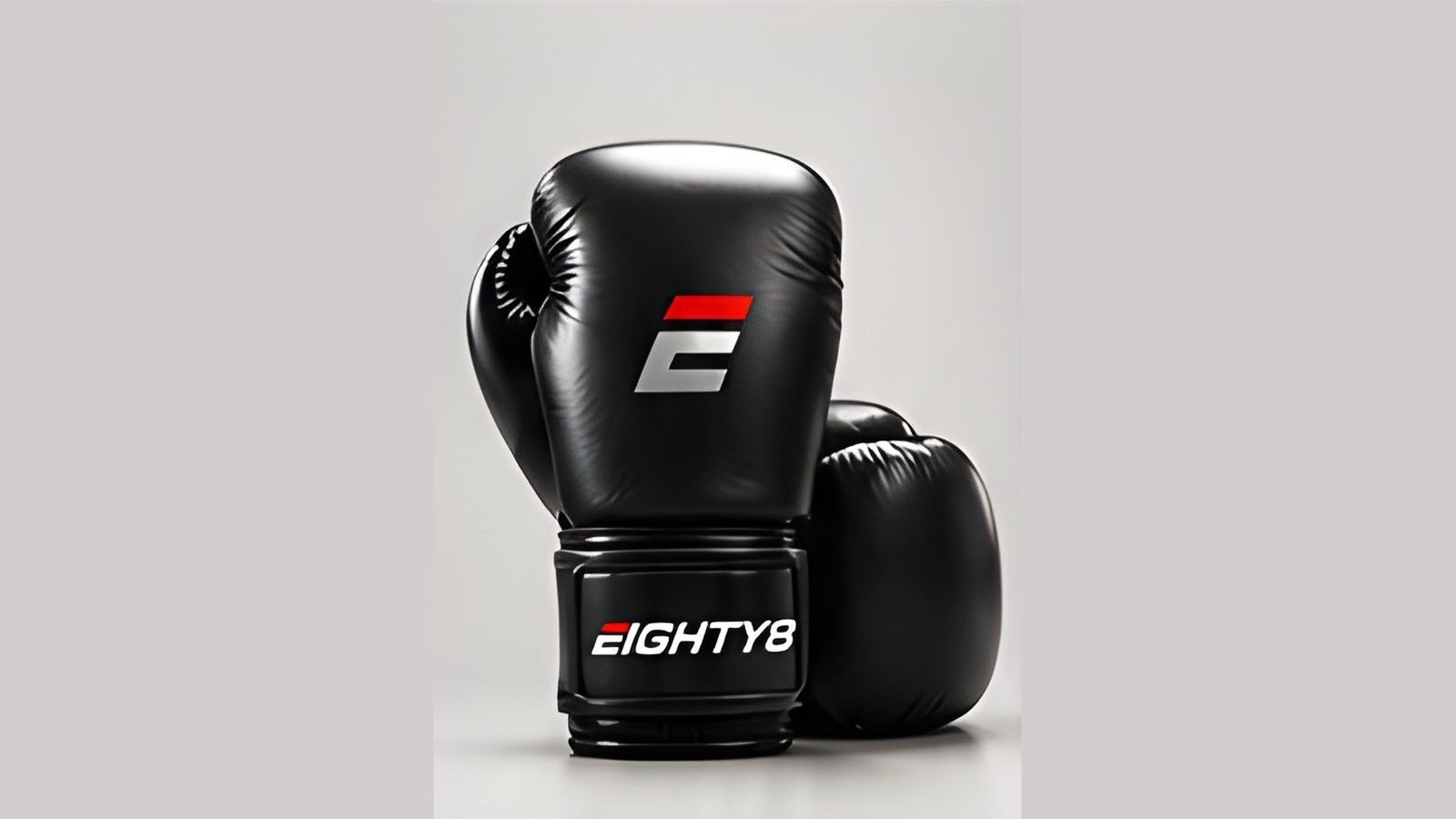
Most people buy their first boxing gloves on looks or price, then find out a few weeks later that they are too light to spar in or too soft for the heavy bag. Answer the questions below in order and you will end up with a glove that suits the way you actually train.
Start with how you train
Boxing gloves are built for different jobs, and the job decides the glove more than anything else.
| How you train | Glove type | Typical weight (adults) |
|---|---|---|
| Heavy bag, pads, fitness classes | Bag or training glove | 12–14oz |
| Sparring with a partner | Sparring glove | 16oz (18oz for heavier boxers) |
| A bit of everything | All-round training glove | 14–16oz |
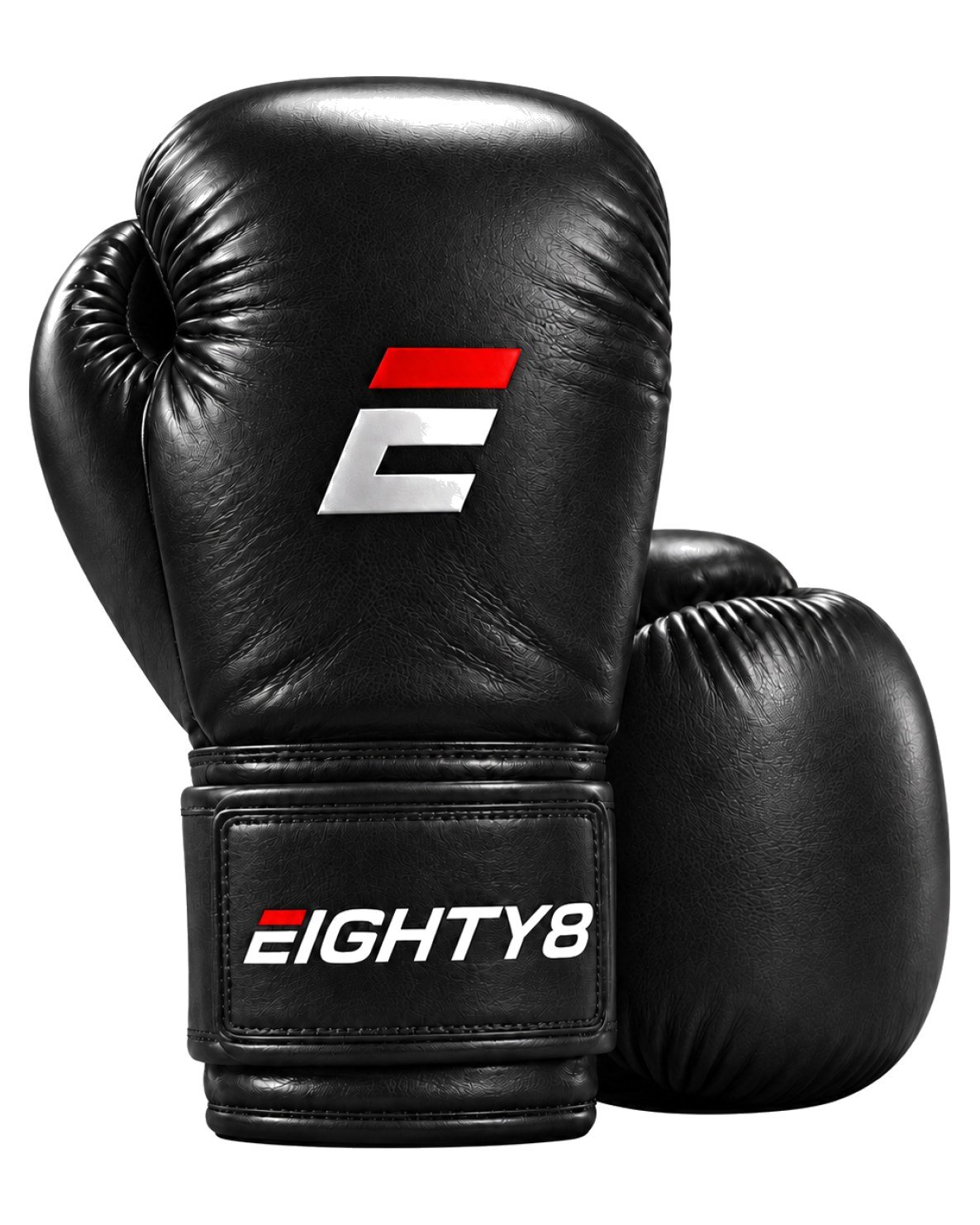
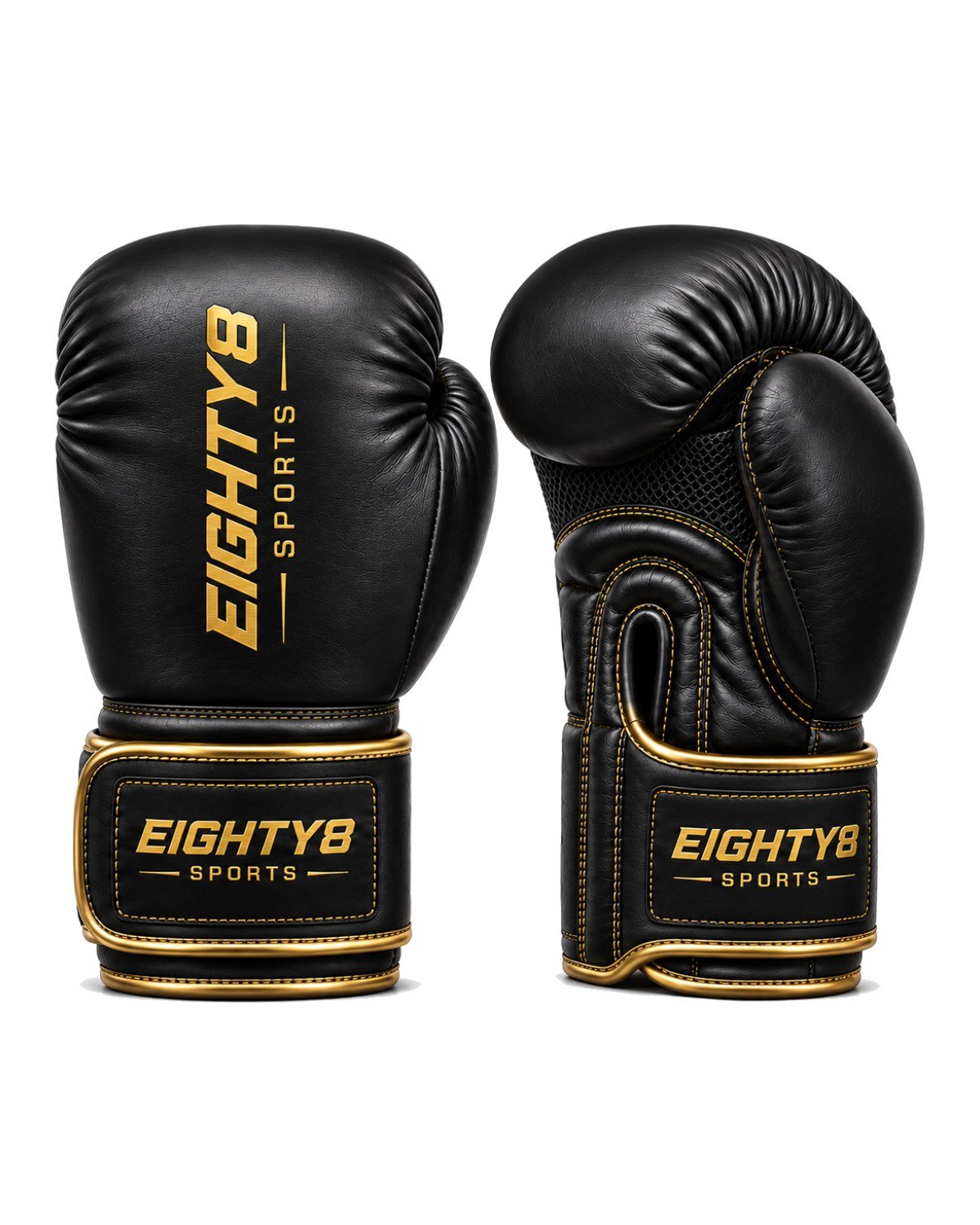
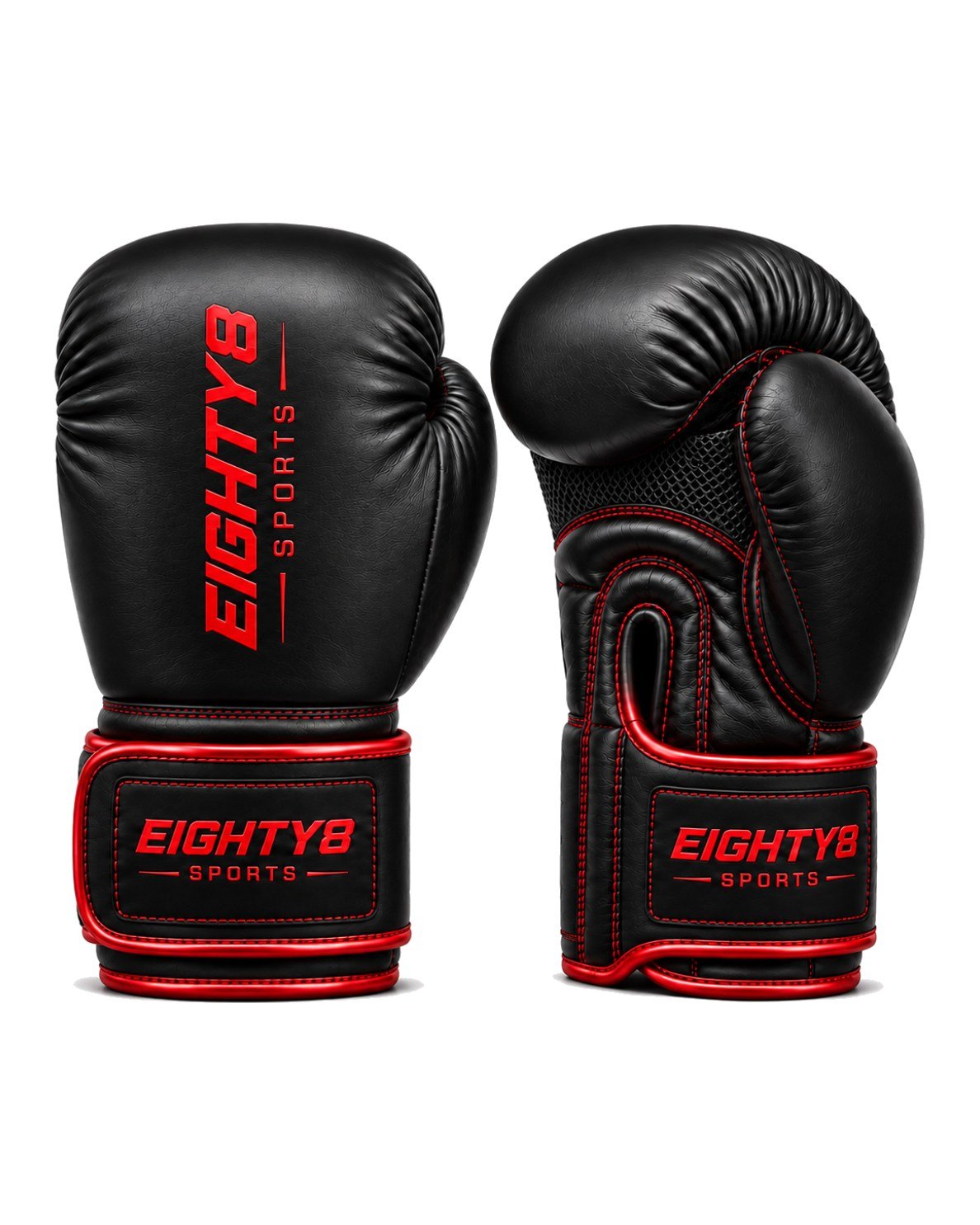
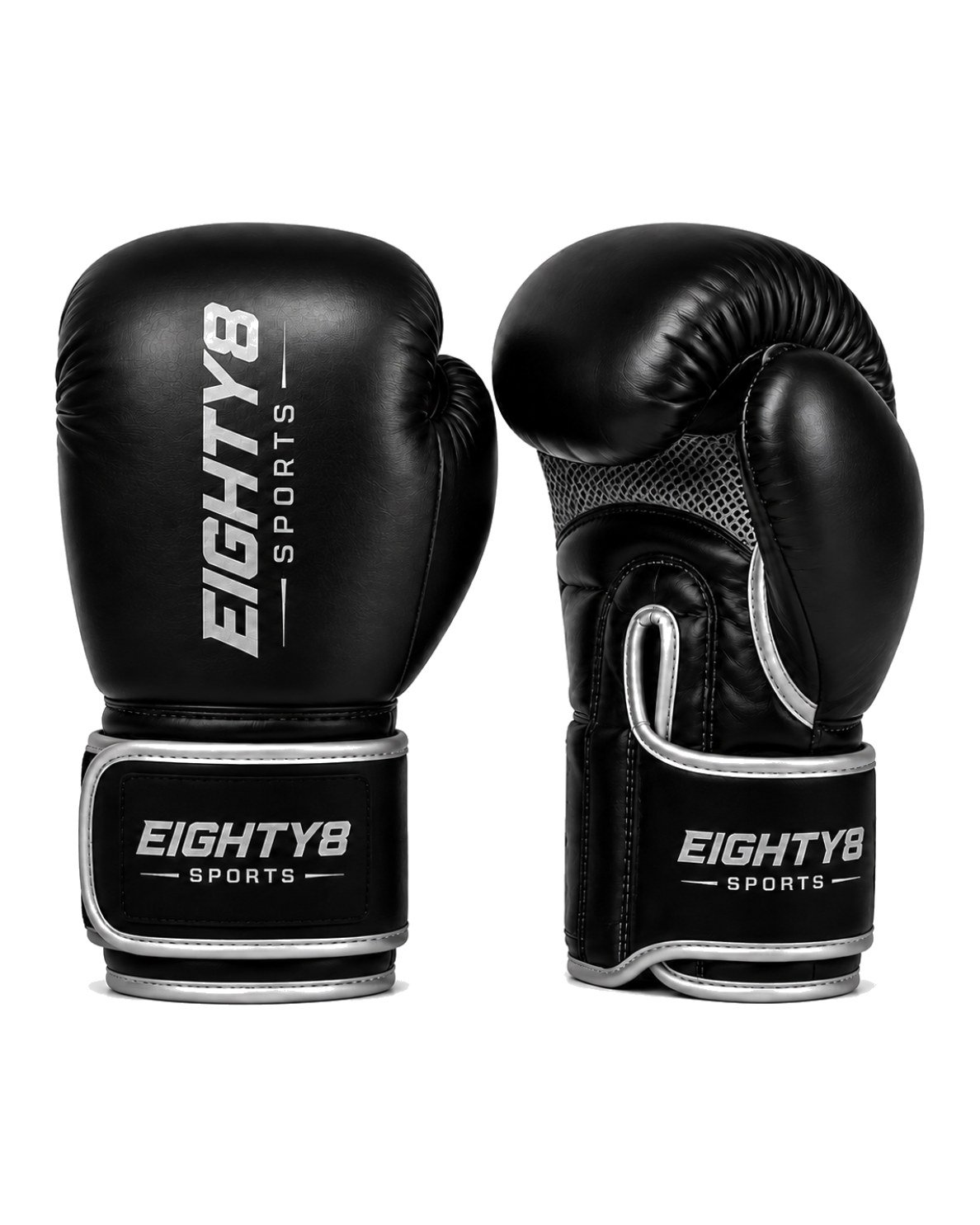
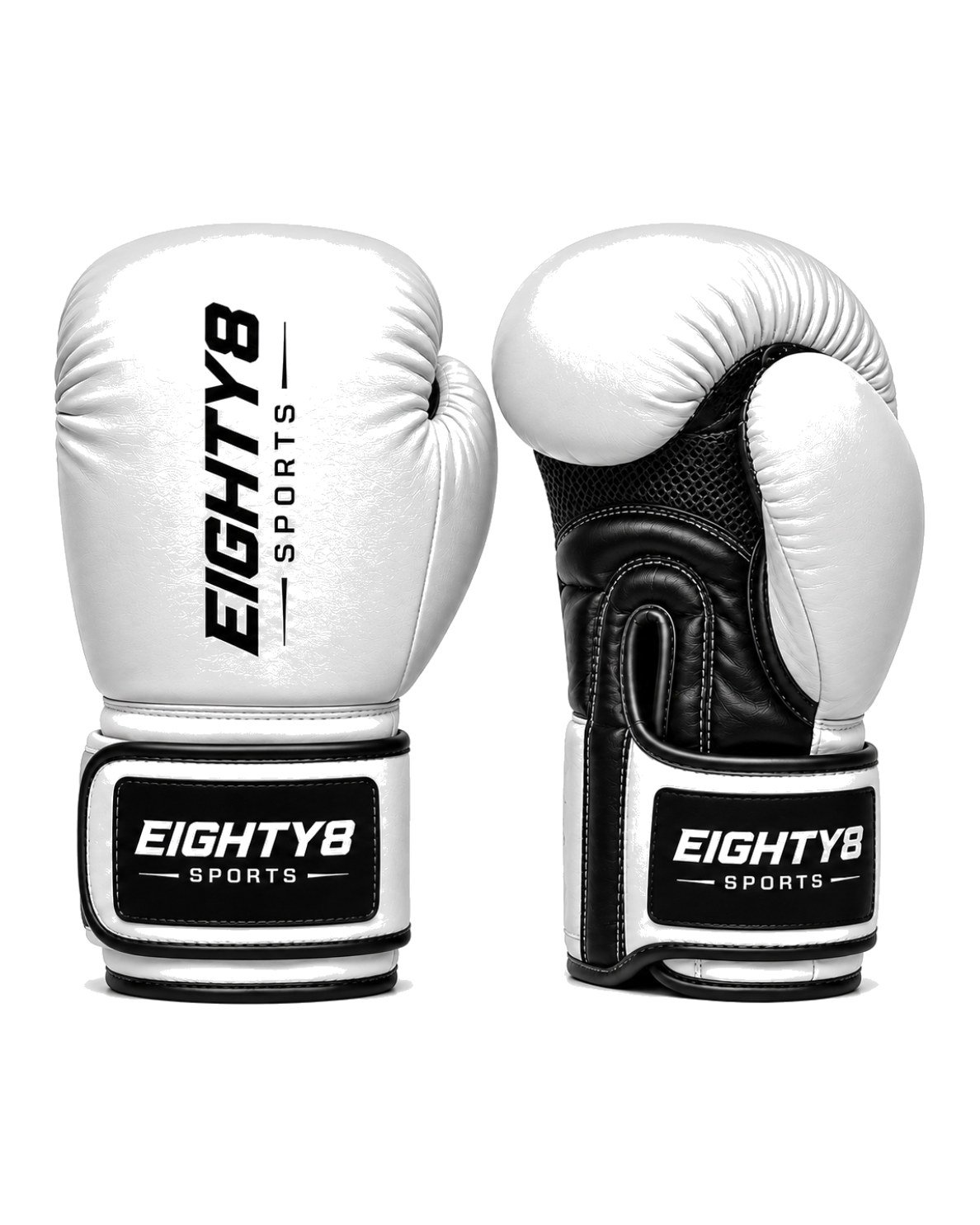
Bag gloves use dense foam that holds its shape against the bag. Sparring gloves use softer, deeper foam to protect your partner. An all-round glove such as the Pro Boxing Gloves sits in between and works for bag, pads and sparring. You can compare them all on the boxing gloves page.
Choose the weight
Glove weight is measured in ounces and describes the padding, not your hand size. More ounces means more foam and more protection. Your body weight and whether you spar matter most: lighter boxers can train in 12oz on the bag, while most adults spar in 16oz and many gyms make that the minimum. Our glove weight guide has a full chart by body weight, or use the glove weight finder.
Hook-and-loop or laces
Hook-and-loop (velcro) closures let you put gloves on and take them off by yourself in seconds, which is why almost every gym glove uses them. A long strap, like the 3.5-inch strap on our Pro gloves, also adds wrist support. Lace-up gloves give a closer, more even fit and are standard in professional fights, but you need someone to tie them. For training, choose hook-and-loop.
Leather or synthetic
Full-grain leather breathes better, moulds to your hand and lasts longest with regular use. Good synthetic leather is lighter on the wallet and easy to wipe clean, and is a sensible choice if you train once or twice a week. If you train most days or plan to spar regularly, leather is worth the extra cost. Look inside the glove too: a moisture-wicking, antimicrobial lining and a ventilated palm keep it fresher for longer.
How boxing gloves should fit
Always try gloves on with your hand wraps on, because that is how you will wear them. A good fit means:
- Your fingertips reach close to the end of the glove without pressing hard against it.
- You can make a full, comfortable fist, and your thumb sits flat against the attached thumb section.
- The cuff closes firmly around your wrist and keeps it straight when you punch.
- There is no empty space that lets your hand slide around inside.
New leather gloves feel stiff at first and loosen up after a few sessions. If you are between sizes, our 60-day fit guarantee covers a free exchange. New to wrapping? Follow our hand-wrapping guide.
If you only buy one pair
Choose an all-round 14oz glove if you are lighter and mainly hit the bag and pads, or 16oz if you are heavier or plan to spar. That covers almost everything a beginner does in the first year. As you train more, add a dedicated sparring pair and keep your first gloves for bag work.
Make your gloves last
- Wear hand wraps every session; they also absorb sweat that would otherwise soak the foam.
- Open the gloves fully after training and let them air dry, away from direct heat.
- Wipe the outside with a damp cloth and use a glove deodoriser if needed.
- Keep sparring gloves for sparring only, so their foam stays soft.
Ready to choose? Start with the Pro Boxing Gloves for all-round training, or see every option on the boxing gloves page.