Guides · 7 min read ·
How to choose boxing glove weight.
8oz to 18oz explained — what glove weight actually means, and how to choose by body weight and the type of training you do.
By the EIGHTY8 coaching team
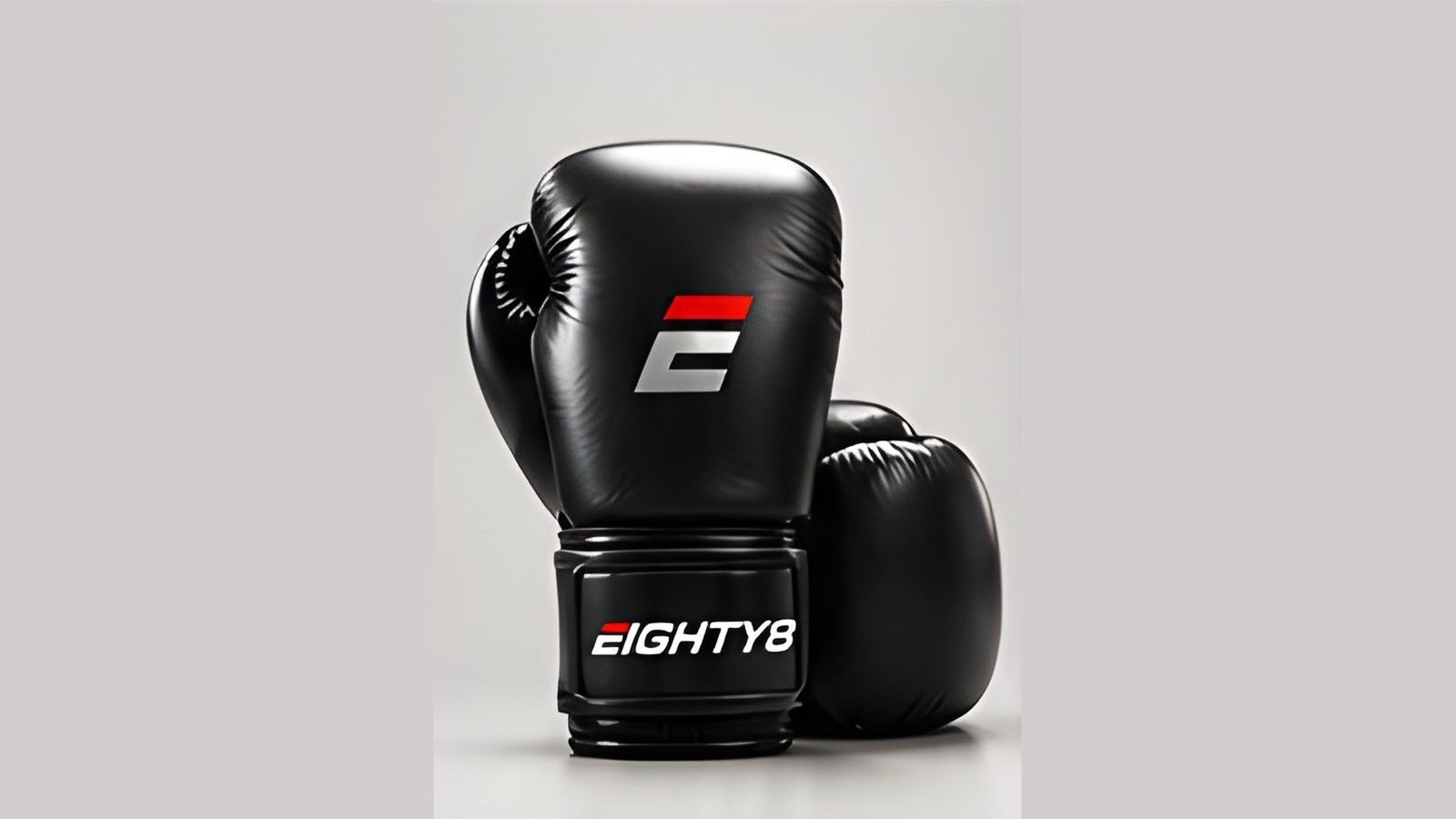
Glove weight is one of the most common questions new boxers ask — and one of the most important to get right. The wrong weight can leave your hands sore, your partner hurt, or your technique slower than it should be.
What glove weight actually means
Boxing gloves are measured in ounces (oz). The number refers to the total weight of the glove, and most of that difference comes from padding. A 16oz glove has noticeably more foam than a 10oz glove. More padding means more protection for your hands and for whoever you are hitting — at the cost of speed.
Choosing by type of training
Bag and pad work
For heavy bag and pad work, most adults use 12oz or 14oz. Bag gloves use denser foam so they keep their shape against a heavy bag, and a slightly lighter glove lets you work on speed and combinations.
Sparring
For sparring, 16oz is the standard at most gyms for adults over about 70kg, and many gyms require it. Lighter athletes often spar in 14oz. Heavier athletes (over 85kg) may use 18oz. The extra padding protects your training partner — sparring is practice, not a fight.
Competition
Competition glove weights are set by the governing body and depend on your weight class and level — typically 8oz or 10oz. Always confirm with your federation before you buy.
Glove weight chart
| Body weight | Bag / pads | Sparring | All-round |
|---|---|---|---|
| Under 55kg (121lb) | 10–12oz | 14oz | 12oz |
| 55–70kg (121–154lb) | 12oz | 14–16oz | 14oz |
| 70–85kg (154–187lb) | 14oz | 16oz | 14–16oz |
| Over 85kg (187lb) | 16oz | 16–18oz | 16oz |
Not sure? Try the glove weight finder — it gives a recommendation in three steps.
If you can only buy one pair
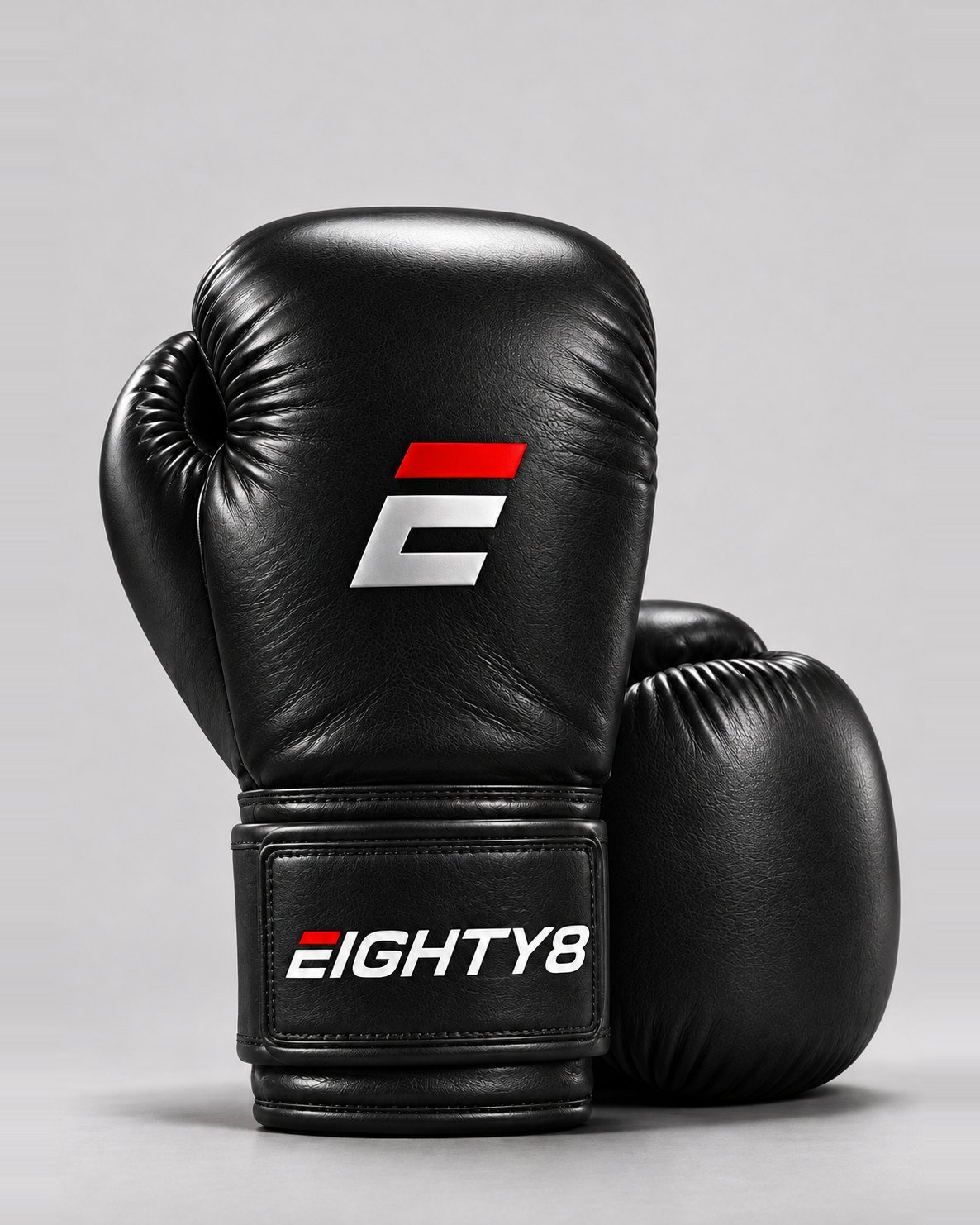
Choose an all-round glove in 14oz or 16oz. It is heavy enough for sparring and still comfortable on the bag. The Pro Boxing Gloves are designed for exactly this, with a gel layer over the knuckles for bag work and enough foam depth for sparring.
Getting the fit right
- Always try gloves on with your hand wraps on.
- Your fingers should reach the end of the glove and form a fist comfortably.
- The wrist strap should close fully without gaps.
- Leather gloves feel tight at first and mould to your hand over 5–10 sessions.
Heavier gloves in training make your hands feel fast on fight night.
Make them last
Take your gloves out of your bag after every session, open the wrist strap and let them air-dry. Wipe the outside with a damp cloth, and use glove deodorisers between sessions. Good care can easily double the life of a pair.